

ETTN Work Meeting 2026 : A New Era for Testicular Cancer Research and Patient Care Across Europe
Testicular cancer is a rare malignancy, yet it is the most common solid cancer in young men. Its incidence continues to rise, and Europe has long recorded the highest rates worldwide. In recent years, however, an interesting geographical shif thas emerged: the highest incidence is moving away from traditionally high-incidence Northern European countries, such as Denmark and Norway, towards Central and Southern Europe. According to the latest GLOBOCAN 2024 data,Croatia, Switzerland, Slovenia, Montenegro and Hungary rank first to fifth worldwide for testicular cancer incidence, with rates of 11–12 cases per 100,000 men.
Despite being among the most curable cancers, with more than 95% of patients achieving long-term remission across all disease stages, testicular cancer remains the leading cause of cancer-related death among young adult men, with a mortality rate of approximately 0.5 per 100,000. Even more concerning is the lack of significant progress in treatment over many years. Few clinical trials are specifically dedicated to these tumors, and modern therapeutic options,including targeted therapies, remain unavailable for this diagnosis.
Until recently,therapy targeting Claudin 6 (CLDN6), a protein highly expressed in testiculartumors (90–100% of cases), offered a promising new avenue. Early-phase studies of anti-CLDN6 therapy (BNT211) demonstrated highly encouraging responses,particularly in patients with testicular cancer. These findings led to the initiation of a phase II trial (BNT211-02), which was subsequently discontinued for testicular cancer after a short period and terminated prematurely by the sponsor.
Treatment therefore continues to rely primarily on cisplatin-based chemotherapy. Once resistance to cisplatin develops, no other effective treatment options are currently available for these patients. Several other fundamental questions also remain unanswered, including what causes testicular cancer and drives its biology, how treatment resistance develops, which biomarkers and prognostic factors are useful in clinical settings, and how best to care for survivors inlight of the potential long-term consequences of treatment.
This is why the European Testicular Tumor Network (ETTN) is being established: to bring together clinicians from different specialties, scientists, researchers, and patient organizations across Europe; accelerate testicular cancer research;translate findings into clinical practice as quickly as possible; and ultimately improve patient outcomes.
As a consortium of European centers dedicated to testicular cancer research and treatment, ETTN builds on the longstanding tradition of the Copenhagen Testicular Cancer Workshops. It works closely with other initiatives focused on germ cell tumors, including the Testicular Cancer Consortium (TECAC) and the Malignant Germ Cell International Consortium (MaGIC). The network is also developing its activities within, and with the support of, the European Reference Networks for rare solid tumors and rare urogenital diseases: ERN-EURACAN and ERN-eUROGEN. It currently brings together experts from 10 European countries and the United States.
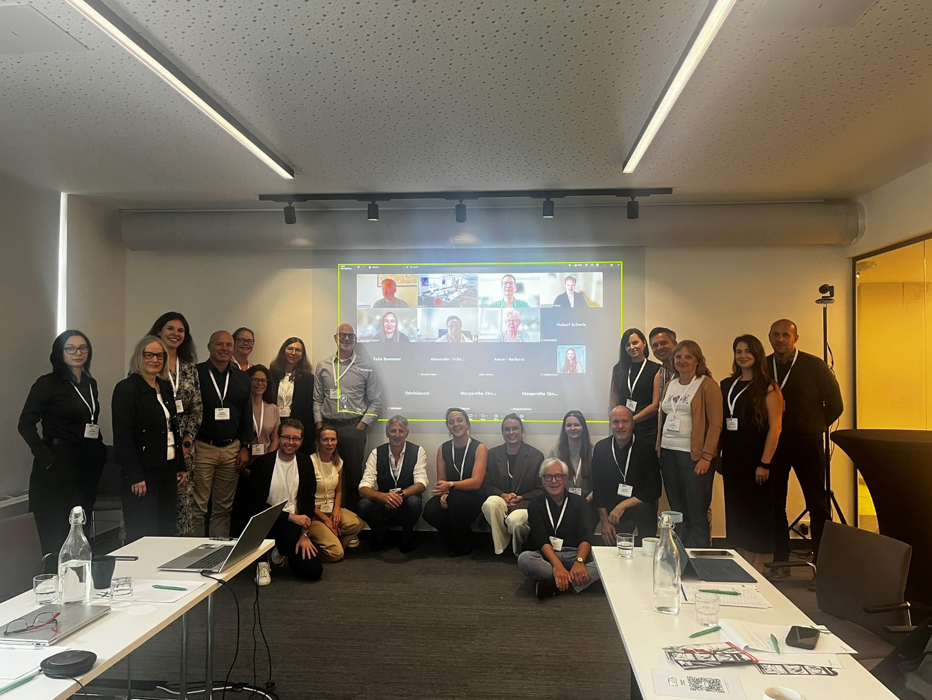
From 9 to 11 September 2026, the first ETTN Work Meeting was held in Prague to establish a practical framework for international collaboration in the research, diagnosis,treatment, and long-term follow-up of patients with testicular cancer. The program focused on building the network's organizational structure,coordinating research activities, preparing joint grant applications, and developing educational initiatives.
A key part of the meeting involved Work Groups sessions addressing the epidemiology and pathogenesis of testicular cancer; tumor biology and pathological classification; emerging biomarkers; imaging techniques and surgical approaches; clinical trials and novel therapeutic strategies; and the long-term consequences of treatment and quality of life among cancer survivors. Participants also explored ways to share data and biological samples, develop joint research projects, establish training and reference centers, and harmonize best practices in patient care.
Across all these efforts, supporting and educating early-career researchers has been recognized as a long-standing priority. The network has also placed great emphasis on involving patient organizations in awareness-raising activities and in defining research priorities, ensuring that the perspectives and needs of patients help shape the future of the field.
Developing new therapies for testicular cancer is one of the most urgent yet persistently overlooked challenges in current uro-oncology. Further progress will require close international collaboration. The European Testicular Tumor Network aims to establish a sustainable, long-term platform that bridges research and clinical practice, helping advance knowledge, expand therapeutic possibilities and improve patient care across Europe and beyond.
Furtherinformation about the activities of the European Testicular Tumor Network is available on the ETTN websites: www.ettn.eu and www.ettw.eu.
This event was supported by the ERDERA NetworkingSupport Scheme (GA No. 101156595); grants from the Czech Ministry of Health –RVO (FTN – 00064190; FNMH – 00064203); the National Institute for CancerResearch project (EXCELES Programme, ID: LX22NPO5102), funded by the EuropeanUnion – NextGenerationEU; and the Men Against Cancer Foundation.